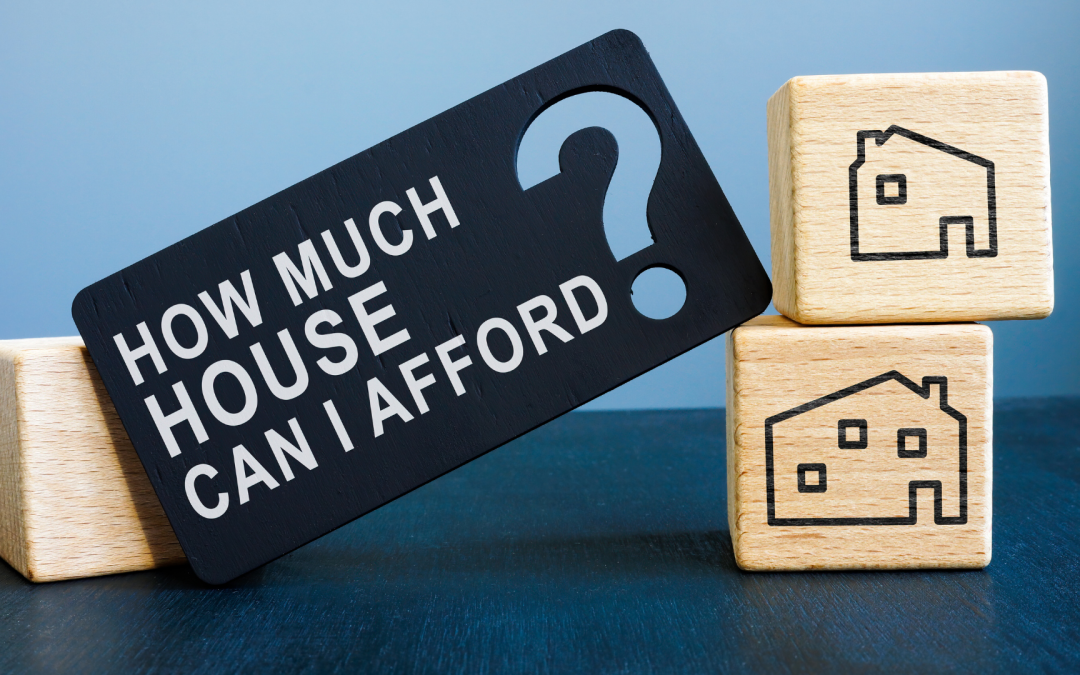
Buying a home is one of the most significant financial decisions many people make. It’s exciting to imagine owning your own place, but it’s crucial to approach this decision with a clear understanding of your financial limits. Overextending yourself can lead to long-term financial stress and jeopardize your economic well-being. Here’s why you shouldn’t buy more home than you can afford and how to make a smart, sustainable choice.
The Risks of Overspending
- Financial Strain: Taking on a mortgage that’s too large for your budget can lead to financial stress. High monthly payments can strain your finances, making it difficult to cover other essential expenses, such as groceries, utilities, and healthcare.
- Risk of Foreclosure: If you encounter unexpected financial difficulties, such as job loss or medical emergencies, an unaffordable mortgage increases the risk of foreclosure, potentially resulting in the loss of your home and a significant hit to your credit score.
- Limited Flexibility: High housing costs can limit your ability to save for other financial goals, such as retirement, education, or vacations. It can also restrict your ability to respond to life changes, like starting a family or switching careers.
Determining How Much You Can Afford
To avoid the pitfalls of overspending, it’s essential to carefully evaluate how much home you can truly afford. Here are key steps to guide you:
- Calculate Your Budget: Start by analyzing your monthly income and expenses. Consider using the 28/36 rule: spend no more than 28% of your gross monthly income on housing costs (including mortgage, property taxes, and insurance) and no more than 36% on total debt (including housing, car loans, student loans, and credit card payments).
- Consider All Costs: Remember that the cost of owning a home goes beyond the mortgage payment. Factor in property taxes, homeowners insurance, maintenance, utilities, and potential homeowners association (HOA) fees. Unexpected repairs and upkeep costs can add up quickly.
- Save for a Down Payment: A larger down payment reduces the loan amount and can lower your monthly payments. Aim for at least 20% of the home’s purchase price to avoid private mortgage insurance (PMI), which can add to your monthly costs.
- Get Pre-Approved: Before you start house hunting, get pre-approved for a mortgage. This process gives you a clear picture of how much you can borrow and shows sellers that you are a serious buyer. However, remember that pre-approval amounts can sometimes be more than what you can comfortably afford, so stick to your budget.
- Plan for the Future: Consider your long-term financial goals and potential life changes. Ensure that your mortgage payments will remain manageable even if your financial situation changes, such as starting a family or changing jobs.
Smart Buying Strategies
- Prioritize Needs Over Wants: Focus on what you truly need in a home versus what you want. Essentials might include the number of bedrooms, location, and proximity to work or school. Luxuries like a large yard, extra rooms, or high-end finishes can often be added later as your budget allows.
- Be Patient: It’s easy to get swept up in the excitement of buying a home, but rushing the process can lead to poor decisions. Take your time to find a home that fits your budget and meets your essential needs.
- Think Long-Term: Consider how long you plan to stay in the home. If you think you might move in a few years, buying a home that stretches your budget might not be wise, especially if you need to sell quickly and market conditions are not favorable.
- Build a Financial Cushion: Ensure you have savings set aside for emergencies and future expenses. This cushion can help you manage unexpected costs without jeopardizing your mortgage payments.
Buying a home within your means is a crucial step toward financial stability and peace of mind. By carefully evaluating your budget, considering all costs, and planning for the future, you can make a smart homebuying decision that supports your long-term financial health. Remember, a home is meant to be a place of comfort and security, not a source of financial stress. Stay within your budget, prioritize your needs, and enjoy the journey to homeownership with confidence and peace.