
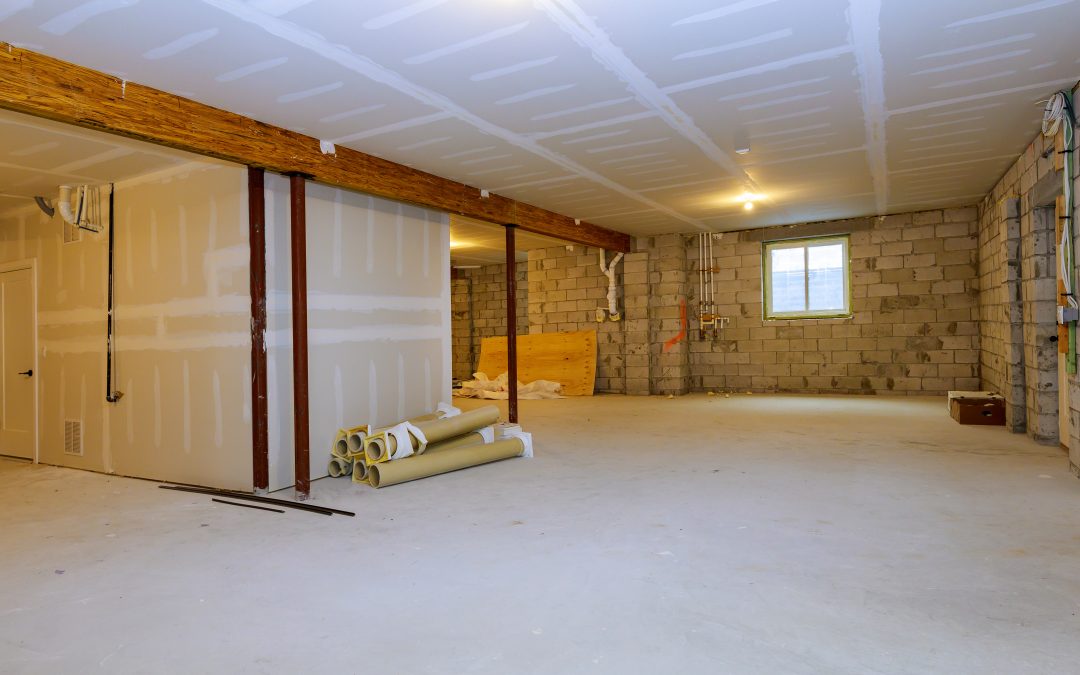
From Storage Limbo to Lower-Level Luxe: What It Actually Costs: learn the true cost of turning your basement into a stylish, usable space.
An unfinished basement is full of potential.
Whether you need more living space, a home office, a gym, or a recreation room, finishing a basement can dramatically increase the functionality of your home. But before starting the project, it is important to understand the costs, challenges, and decisions involved.
A finished basement can add value, but only when it is planned carefully.
Why Homeowners Finish Their Basements
One of the biggest advantages of finishing a basement is gaining usable square footage without building an addition.
Instead of expanding outward, you’re making better use of space you already have. Many homeowners transform their basements into family rooms, guest suites, playrooms, home theaters, or workout areas.
For growing families, it can be one of the most practical upgrades available.
What Does It Typically Cost?
The cost of finishing a basement varies widely depending on size, materials, and the scope of the project.
Simple basement renovations may cost significantly less than projects that include bathrooms, custom built-ins, wet bars, or specialized rooms. Electrical work, plumbing, flooring, insulation, drywall, and permits can all affect the final budget.
Before starting, it is important to have a realistic understanding of both expected costs and a contingency budget for surprises.
Address Moisture Issues First
Before installing flooring or drywall, make sure the basement is dry.
Moisture problems can lead to mold, damage, and costly repairs down the road. Water intrusion, foundation cracks, and drainage issues should always be addressed before finishing the space.
A beautiful basement is not much use if underlying problems remain unresolved.
Think About Ceiling Height
Not every basement offers the same possibilities.
Low ceilings, exposed ductwork, and structural obstacles can affect design options and overall comfort. Understanding these limitations early can help avoid disappointment and unexpected expenses later.
In some cases, creative design solutions can help maximize the space.
Consider Your Long-Term Goals
Before choosing a layout, think about how you plan to use the basement.
A home office may be perfect today, but a flexible space might better serve your needs in the future. Designing with versatility in mind can help ensure the renovation continues to add value for years to come.
Will It Increase Home Value?
A finished basement can make a home more attractive to future buyers.
Additional living space is often a desirable feature, especially in markets where buyers value flexibility and extra room. However, homeowners should view the project as both a lifestyle improvement and a potential value-add, rather than expecting a dollar-for-dollar return.
The greatest value often comes from the enjoyment and functionality the space provides.
Plan Before You Build
The most successful basement projects begin with a clear plan.
Understanding your budget, goals, and potential challenges before construction starts can help avoid costly mistakes. Taking the time to make informed decisions upfront often leads to a smoother renovation and a better finished product.
An unfinished basement is more than just storage space. With the right approach, it can become one of the most useful and enjoyable areas of your home.