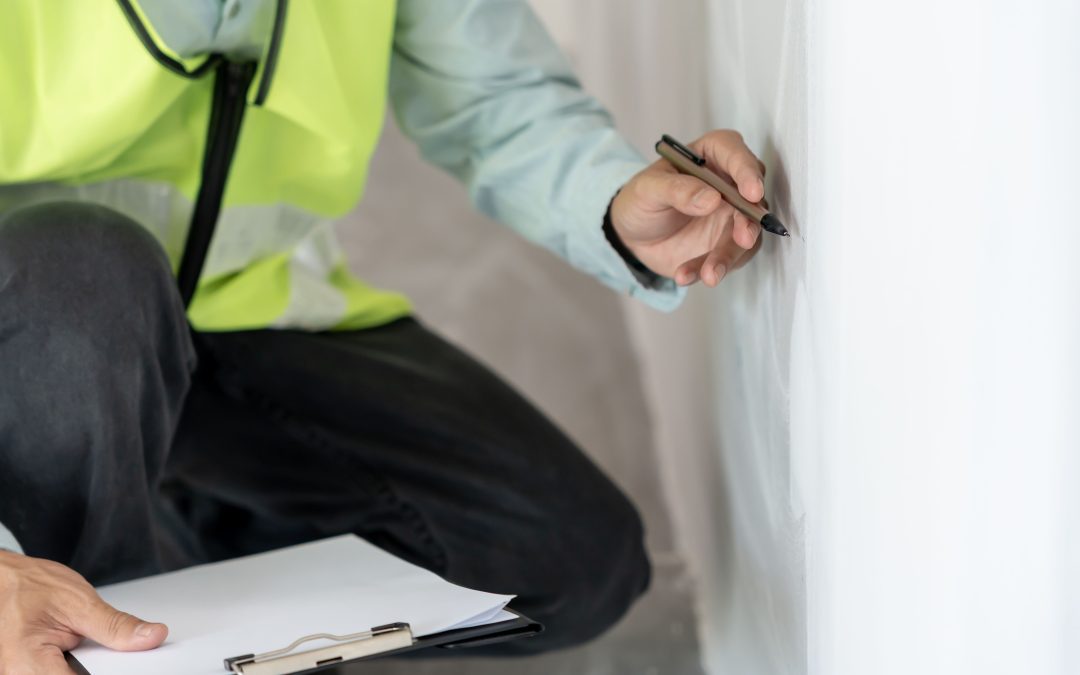
Not every problem you find during a home inspection means you should walk away from the house. Inspection red flags: what should actually worry you? Learn which issues matter most and what buyers should pay attention to.
Inspection red flags what should actually worry you? Learn which issues matter most and what buyers should pay attention to.
A few cracked tiles, scuffed walls, outdated fixtures, or peeling paint may be easy cosmetic fixes. The bigger concern is finding issues that could affect the home’s structure, safety, water resistance, or major systems.
Here are a few things worth paying close attention to during an inspection.
Cracks in Walls and Ceilings
Small hairline cracks can be common, particularly in older homes. But larger cracks, cracks that appear around doors and windows, or cracks that seem to be getting worse deserve a closer look.
They could indicate movement or other structural concerns that may require further evaluation.
Water Damage and Moisture
Water stains on ceilings, walls, or floors should never be ignored.
They could be leftover evidence from an old leak, but they could also point to an active plumbing, roof, drainage, or foundation problem. A musty smell or visible mold can also be a sign that moisture has been present for some time.
Finding the source matters more than simply looking at the stain.
Foundation Problems
Foundation issues can be among the more expensive problems a homeowner encounters.
Look for significant cracks, uneven floors, doors that don’t close properly, or visible signs of shifting. These don’t automatically mean the home has a serious structural problem, but they are good reasons to ask questions and have the issue evaluated by an appropriate professional.
Roof and Attic Concerns
A roof near the end of its useful life isn’t necessarily a reason to walk away from a home, but you should know what you’re getting into.
During the inspection, pay attention to the roof’s age, missing or damaged shingles, signs of leaks, and moisture or ventilation issues in the attic.
A roof replacement can be a major expense, so knowing its condition can help you make a more informed decision.
Electrical and Plumbing Issues
Outdated electrical systems, exposed wiring, frequent breaker problems, leaking pipes, low water pressure, or signs of old plumbing can all deserve additional attention.
Some issues may be relatively simple to fix. Others can become expensive projects.
The important thing is knowing the difference before you close.
Cosmetic Problems vs. Serious Problems
A home doesn’t have to be perfect to be a good investment.
Old cabinets can be replaced. Walls can be painted. Flooring can be updated. Fixtures can be changed.
Structural damage, persistent water intrusion, major electrical problems, or failing major systems are a different story.
The goal of a home inspection isn’t to find a perfect house. It’s to understand what you’re buying.
If an inspector identifies a concern, don’t immediately assume the worst. Ask what the problem means, how serious it is, whether it needs immediate attention, and whether another specialist should take a closer look.
That information can help you decide whether to move forward, negotiate repairs or credits, or reconsider the purchase.