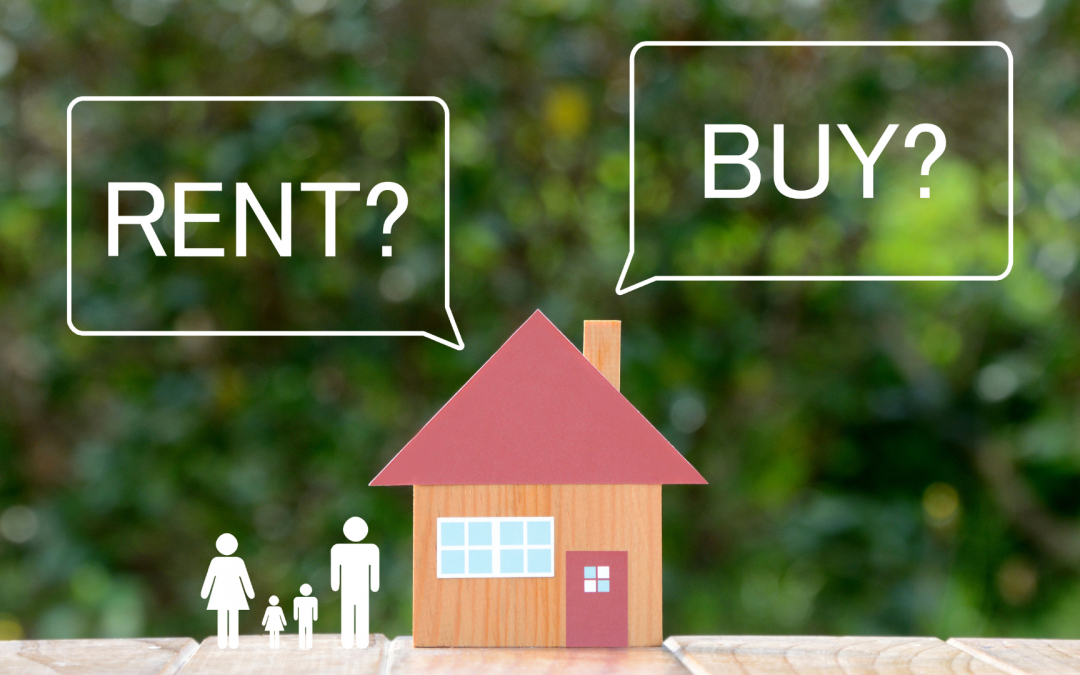
In the perennial debate of renting versus buying a home, one often overlooked aspect is the equity that homeownership can provide. While renting offers flexibility and lower upfront costs, buying a home can build long-term wealth through equity accumulation. In today’s dynamic real estate market, with fluctuating prices and changing economic conditions, the decision to rent or buy requires careful consideration. Let’s go into whether it’s better to rent or buy a home, with a focus on the potential for equity growth.
The Case for Renting
Renting offers several advantages, especially for those who prioritize flexibility and lower financial commitment:
- Flexibility: Renting allows you to move without the hassle of selling a property. This is particularly beneficial for individuals who anticipate changes in their personal or professional lives.
- Lower Initial Costs: Renting typically requires less upfront investment than buying a home. Renters avoid hefty down payments, property taxes, and maintenance costs associated with homeownership.
- Predictable Expenses: Renters often have fixed monthly expenses, making it easier to budget and plan for other financial goals.
The Case for Buying
Despite the advantages of renting, homeownership offers unique financial benefits, primarily through equity:
- Equity Building: One of the most significant advantages of homeownership is the opportunity to build equity. Equity is the difference between the property’s market value and the remaining balance on the mortgage. As homeowners pay down their mortgage, their equity stake in the property increases.
- Appreciation Potential: Historically, real estate has appreciated over time, leading to wealth accumulation for homeowners. While not guaranteed, the potential for property appreciation can significantly boost equity.
- Tax Benefits: Homeowners may qualify for tax deductions on mortgage interest payments and property taxes, reducing their overall tax liability.
Factors Influencing the Decision
Several factors should be considered when deciding whether to rent or buy a home, with a focus on equity:
- Market Conditions: Real estate markets vary by location and economic conditions. Assessing the local market’s trends and forecasts can help determine whether buying a home is a sound investment.
- Financial Stability: Buying a home requires a stable financial situation, including steady income and sufficient savings for a down payment and ongoing expenses.
- Long-Term Plans: Homeownership is a long-term commitment. Consider your future plans, such as career prospects, family size, and lifestyle preferences, when deciding whether to buy or rent.
- Risk Tolerance: Homeownership comes with risks, including property depreciation, maintenance costs, and market fluctuations. Evaluate your risk tolerance and ability to withstand potential financial setbacks.
While the decision to rent or buy a home depends on various personal and financial factors, the potential for equity accumulation is a compelling reason to consider homeownership. However, it’s essential to weigh the advantages and disadvantages of each option carefully. Renting offers flexibility and lower initial costs, while buying a home can provide long-term financial stability and wealth-building opportunities through equity growth. Ultimately, the decision should align with your lifestyle, financial goals, and risk tolerance.
In today’s ever-changing real estate landscape, seeking guidance from real estate professionals and financial advisors can provide valuable insights to make an informed decision that suits your individual circumstances. Whether you choose to rent or buy, prioritizing financial prudence and long-term planning is key to achieving your housing and wealth-building objectives.