Which home improvements add the most value? Discover upgrades that boost your home’s resale price and appeal to buyers.
If you’re thinking about renovating your home, you’re probably hoping the investment will pay off when it’s time to sell. But not every upgrade delivers the same return.
While it’s tempting to focus on large remodeling projects, the renovations that add the most value aren’t always the most expensive. In fact, many buyers are simply looking for a home that feels clean, well-maintained, and move-in ready.
Before you start knocking down walls or planning a complete renovation, it’s worth knowing which improvements are most likely to make a difference.
A Fresh Coat of Paint Is Hard to Beat
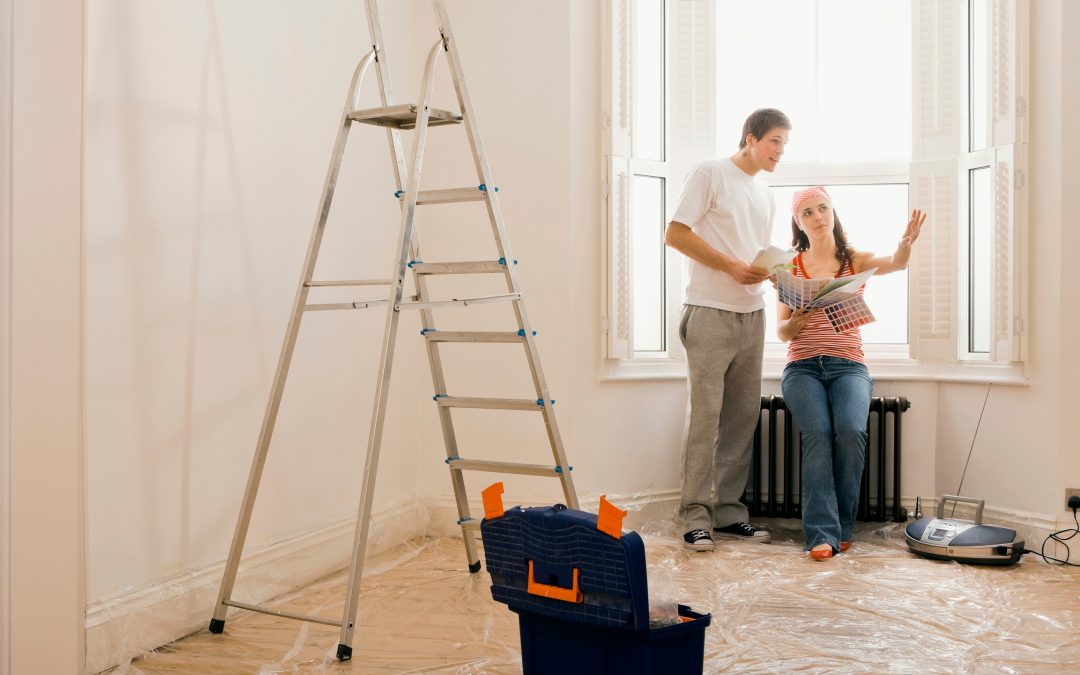
Painting is one of the most affordable ways to transform a home.
Fresh, neutral colors can brighten rooms, make spaces feel larger, and appeal to a wider range of buyers. It’s also an easy way to give your home a clean, updated appearance without taking on a major renovation.
If your walls have bold colors, scuff marks, or signs of wear, repainting is often money well spent.
Kitchens Still Make a Strong Impression
You don’t need a magazine-worthy kitchen to impress buyers.
Simple updates such as replacing cabinet hardware, installing modern light fixtures, updating faucets, or refinishing cabinets can give the space a fresh look without the cost of a full remodel.
If your appliances are outdated but still functional, replacing only the most noticeable ones may provide a better return than completely redesigning the room.
Bathrooms Benefit From Small Upgrades
Bathrooms are another area where buyers tend to pay close attention.
Replacing worn fixtures, updating mirrors and lighting, re-caulking around tubs and sinks, or installing a new vanity can make the room feel cleaner and more modern.
These relatively inexpensive improvements often have a greater impact than homeowners expect.
Don’t Overlook Curb Appeal
First impressions begin before buyers walk through the front door.
Simple improvements like trimming shrubs, planting flowers, mowing the lawn, pressure washing the driveway, and painting the front door can dramatically improve your home’s appearance.
A welcoming exterior encourages buyers to step inside with a positive first impression, and that can influence how they view the rest of the property.
Improve What Buyers Can’t Always See
Cosmetic upgrades are important, but buyers also appreciate homes that have been properly maintained.
Repairing a leaking roof, servicing the HVAC system, fixing plumbing issues, or replacing worn flooring can increase buyer confidence. These improvements may not be the most exciting, but they can prevent concerns during inspections and reduce last-minute negotiations.
Sometimes the most valuable investment is eliminating reasons for buyers to hesitate.
Be Careful With Major Renovations
It’s easy to assume that bigger projects automatically mean bigger returns, but that’s not always true.
Luxury kitchens, custom bathrooms, and high-end finishes can be expensive, and buyers may not value them as much as you do. Personal design choices can also limit your home’s appeal if they don’t match current buyer preferences.
Unless your home is significantly outdated compared to similar properties in your area, large renovations may not deliver the return you’re expecting.
Think About Your Local Market
The best improvements often depend on where your home is located.
Features that are highly desirable in one neighborhood may have little impact in another. Looking at recently sold homes in your area can provide valuable insight into what buyers expect within your price range.
Understanding your local market can help you prioritize upgrades that make your home more competitive instead of simply more expensive.
Invest With Buyers in Mind
The goal of renovating before selling isn’t to create your dream home. It’s to make your home as appealing as possible to the widest range of buyers.
In many cases, thoughtful improvements, routine maintenance, and strong curb appeal deliver a better return than costly renovations. By focusing on updates that buyers notice and appreciate, you can increase your home’s value while avoiding unnecessary expenses.
Before starting your next project, ask yourself one simple question: Will this improvement help buyers see greater value in my home? If the answer is yes, it’s likely an investment worth making.