
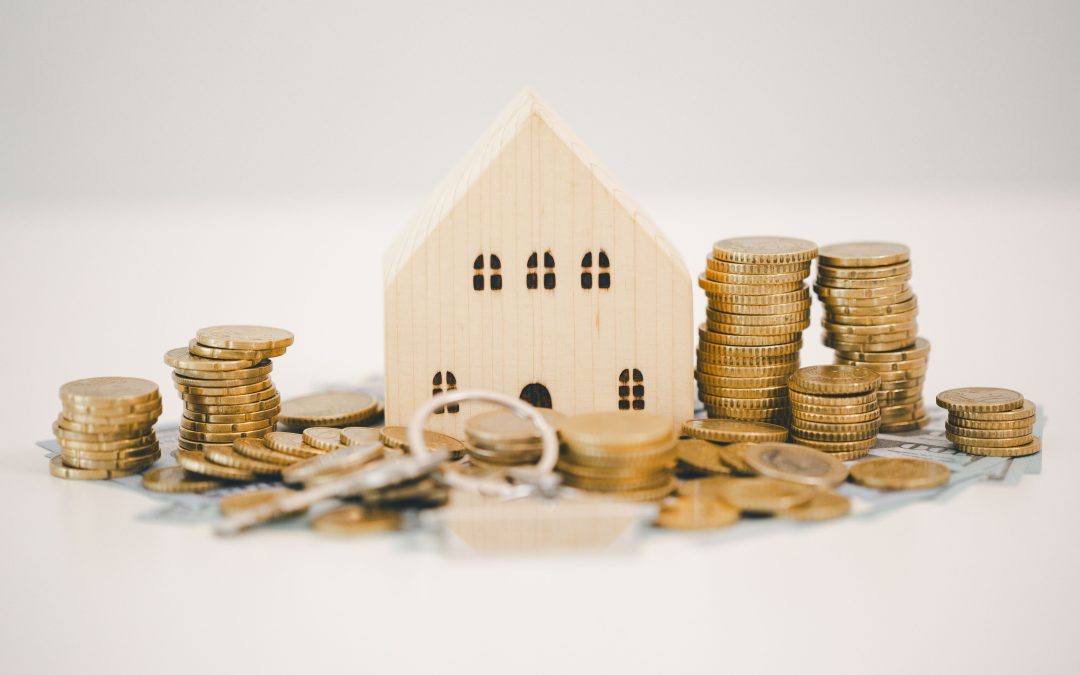
Do you know how much equity you have? Discover your home’s value and how much equity you could use for your next move.
If you own a home, you may be building more wealth than you realize. Every mortgage payment, change in your home’s market value, and the time you’ve owned your property can affect how much equity you’ve built.
But here’s an important question: Do you know what your home is worth today and how much equity you’ve built?
Understanding your home equity can help you make more informed decisions about selling, buying another property, or planning your financial future.
What Is Home Equity?
Home equity is the difference between your home’s current market value and the amount you still owe on your mortgage and any other loans secured by the property.
As you pay down your mortgage, your ownership stake generally increases. If your home’s market value rises, your equity may grow even faster. However, if property values decline or you borrow against your home, your equity can decrease.
Remember, home equity isn’t the same as cash in your bank account. It’s value tied to your property, and accessing it usually requires selling your home or qualifying for a financial product that lets you borrow against it.
How Does Home Equity Grow?
Homeowners can build equity in several ways.
Paying Down Your Mortgage
Each mortgage payment typically includes principal and interest. The principal portion reduces your outstanding loan balance, gradually increasing the amount of your home that you own outright.
How quickly this happens depends on your loan terms, interest rate, and payment schedule. Making additional principal payments may help you build equity faster, provided it fits your financial goals and your mortgage terms allow it without penalties.
Appreciation in Your Home’s Value
Your home’s market value can change over time based on local housing demand, available inventory, the property’s condition, and broader economic factors.
When your home appreciates, your equity may increase even if your mortgage balance hasn’t changed significantly. Of course, appreciation isn’t guaranteed. Home values can also decline, which is why understanding current local market conditions matters.
Improvements and Maintenance
Well-planned improvements can make your home more attractive to future buyers. Updated kitchens and bathrooms, improved curb appeal, and addressing deferred maintenance can all help support your property’s appeal.
However, not every renovation adds value equal to its cost. Before investing in a major project, consider what buyers in your market prioritize and whether the improvement makes sense for your budget.
Why Knowing Your Home Equity Matters
Understanding your equity can help you evaluate your options, especially if you’re considering a major real estate decision.
If you’re thinking about selling, your equity can help you estimate how much money you might have available after paying off your mortgage and covering selling expenses. The final amount will depend on your actual sale price, remaining loan balance, and transaction costs.
If you’re planning to buy another home, the proceeds from selling your current property may help fund your next down payment. Knowing your potential position can make it easier to plan your budget and timeline.
Home equity may also be relevant if you’re considering renovations or exploring borrowing options. However, borrowing against your home adds debt and can put your property at risk if you cannot meet the repayment terms. Review the costs and risks carefully before deciding.
How Do You Find Out What Your Home Is Worth Today?
Your mortgage statement can tell you how much you still owe, but determining your home’s current market value requires a closer look at the housing market.
Online home value estimates can provide a starting point, but they may not account for your property’s specific condition, renovations, layout, or location within a neighborhood.
A comparative market analysis can offer a more tailored estimate by looking at recent sales of similar properties, current competition, and local market conditions. A professional appraisal may be appropriate when you need a formal valuation.
Local real estate knowledge can be especially useful here. Homes in the same general area can differ in value based on their features, condition, lot size, and other factors. Understanding those differences can help you develop a more realistic picture of your home’s potential market value.
Your Home Could Be One of Your Most Valuable Assets
For many homeowners, a property represents a significant part of their overall wealth. Yet it’s easy to focus on the mortgage payment and overlook how the balance between your home’s value and outstanding debt changes over time.
Checking your equity periodically can help you understand your financial position and prepare for future decisions, whether you’re planning to sell soon or simply want to stay informed.
If you’re curious about your home’s current value, I’d be happy to review comparable sales with you and help you understand how your property fits into today’s local market.
Knowing what your home is worth is the first step toward understanding what your equity could make possible.